Talking to your daughter about her first period
A warm, practical script for a calm, shame-free first conversation — and what to put in her first period kit.
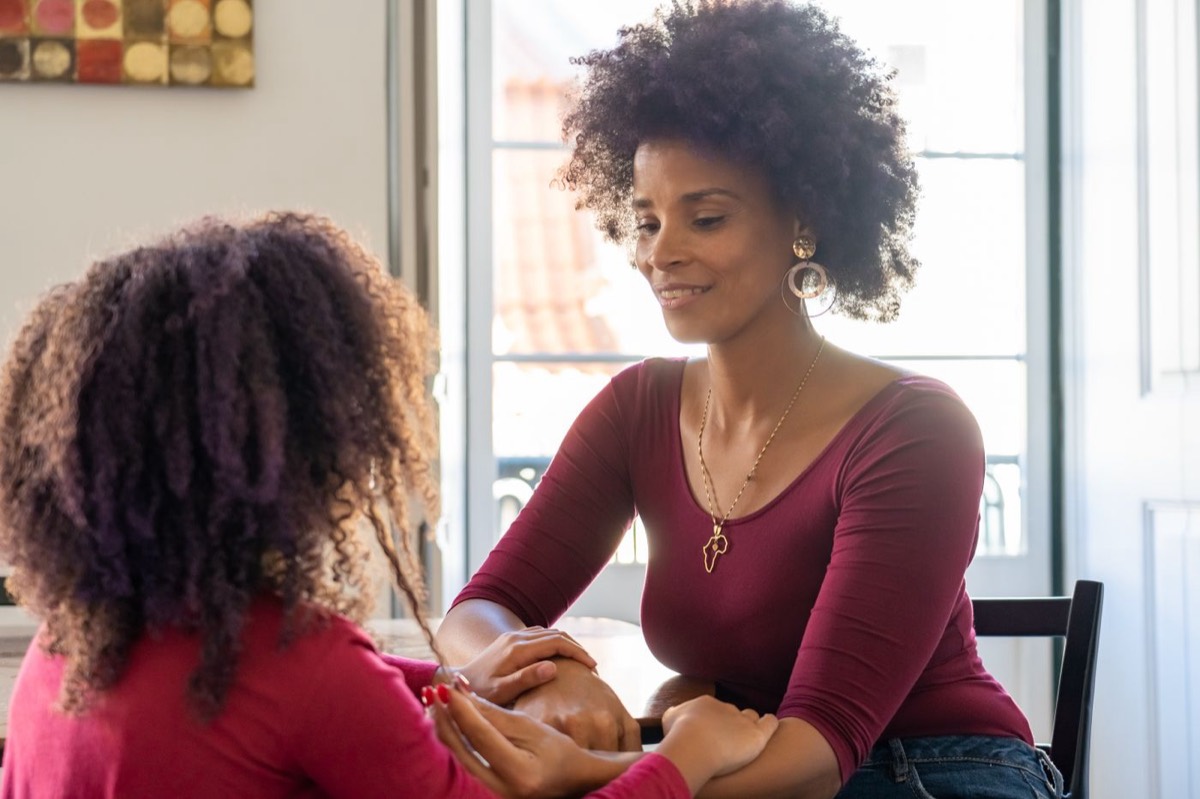
Why this conversation matters
A girl's first period — her menarche — is a significant milestone. How she feels about it is shaped largely by what she already knows and who she can turn to. Girls who have been prepared by a trusted adult face their first period with less fear and more confidence. This guide is for parents, carers and older siblings who want to have that conversation warmly, honestly and before it is needed.
When is the right time to start?
Most girls get their first period between 10 and 14, though the range is 8 to 16. The first signs of puberty — breast development, pubic hair, a growth spurt — usually begin 2–3 years before the first period. These are your cue to start the conversation, if you have not already. The goal is simple: your daughter should never be surprised by her first period. A period that arrives with no knowledge is frightening; one that arrives with preparation is manageable.
What to say — and how to say it
Keep it simple and factual in the first conversation. Explain what a period is: the uterus lining sheds each month because no pregnancy has started, and this is completely normal and healthy. Use the correct words — uterus, period, pad — so she grows up with accurate language. Show her what a sanitary pad looks like, how to open it, attach it to her underwear, and change it. Let her ask questions. If she asks something you do not know, say so honestly and look it up together. Short, relaxed chats over time are more comfortable than one single big talk.
What to avoid
Avoid euphemisms like "the curse" or "becoming a woman" that suggest something shameful or secretive. Avoid framing it as a problem or a burden. Periods are sometimes inconvenient, but they are a normal, healthy function. Avoid making it dramatic — a calm, matter-of-fact tone is the most reassuring. And do not wait until she asks: she may not ask if she feels embarrassed, and a period that arrives without warning at school is far more distressing than an awkward conversation at home.
Building her first period kit
Before her first period arrives, put together a small kit she can keep in her school bag. Include 3–4 regular Faytex Classic pads in regular size — the most comfortable starting point for most girls; a spare pair of underwear in a small pouch; a small resealable plastic bag for discreet disposal; and a note with your phone number or a trusted adult's. Go through the kit with her: show her how to use it, where it lives in her bag, and that it is just for her. Knowing it is there is a comfort even before she needs it.
What to do when her period starts
Prepare her in advance with a simple plan. If she is at school: go to the bathroom; if she does not have her kit, go to the school nurse or a trusted female teacher — many keep a spare pad for exactly this moment. If she is at home: come to you, or call you if she is alone. Practise ahead of time how to attach a pad so it is not confusing when the moment arrives. Reassure her that leaks happen, they are manageable, and a change of clothes is never the end of the world.
Keeping the conversation open
The first period is not the last conversation — it is the beginning of one. Check in with her in the months that follow. Ask if she has any questions. Teach her to track her cycle so she is not caught off guard. Talk about what is normal variation — irregular periods in the first couple of years are common — and what warrants a visit to a health professional: very heavy bleeding, severe pain that disrupts school, or periods that stop for no apparent reason. Being available and non-judgemental is the most important thing you can offer.
Common questions
At what age should I talk to my daughter about periods?
Start the conversation around age 8–9, well before her first period arrives. Most girls begin puberty — the stage that leads to menstruation — between 8 and 13. An early, calm conversation means her first period will never come as a shock. Short, relaxed conversations over time work better than one big talk.
What should a first period kit include?
A small pouch with 3–4 regular Faytex Classic pads, a spare pair of underwear in a small bag, a small resealable plastic bag for discreet disposal, and your contact number. Keep one kit in her school bag and one at home. Go through it with her before her period arrives so she knows exactly what to do.
What is the best pad for a first period?
A regular-size everyday pad with a soft, gentle surface — like Faytex Classic Regular. First periods are usually light to moderate, so there is no need for extra length or a heavy-flow pad initially. Avoid pads with added fragrance or deodorant, which can irritate young and sensitive skin.
How do I explain period pain?
Mild to moderate cramping — a dull ache in the lower abdomen or lower back — is normal and caused by the uterus contracting. A warm water bottle on the lower abdomen helps. Paracetamol or ibuprofen at the age-appropriate dose can ease discomfort. If her pain is severe enough to regularly miss school, or is accompanied by very heavy bleeding, a visit to a health professional is worthwhile.
Faytex products mentioned in this article
Ask Faytex — your private period helper
Discreet, judgement-free product advice — not a substitute for medical care.
More from Faytex Insights
Which sanitary pad is right for your flow?
Regular, heavy, overnight or light — a simple guide to matching a Faytex pad to your flow and your day.
Read → MaternityCaring for yourself after childbirth: a postpartum guide
What to expect from postpartum bleeding, how to stay comfortable, and when to call your midwife or doctor.
Read →Safe Ghanaian-made pads, since 1994
Chemical-free, hospital-recommended, and available in pharmacies and supermarkets across Ghana.